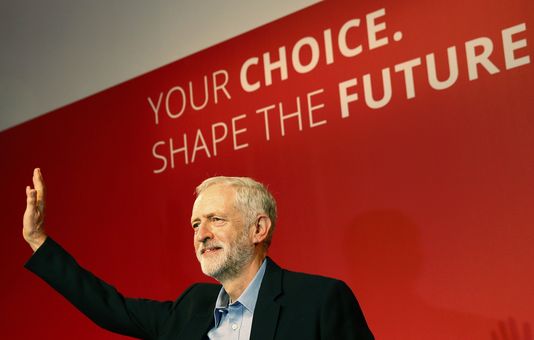
Today, as predicted by all polling companies and bookmakers, Jeremy Corbyn was elected Leader of the Labour Party with an overwhelming majority of 59% of the votes in the first round – an election which, however, he had begun as a complete underdog. Corbyn, 66, had long been an isolated backbencher, a somewhat lone spokesman for Britain’s ‘Old left’ and a fierce opponent of the Conservative government’s austerity policies but also an outspoken critic of the Blairite heritage within his own party, making him a divisive political personality. Take the laudatory portrayal by Seumas Milne, The Guardian’s left-wing columnist (http://www.theguardian.com/politics/commentisfree/2015/aug/19/jeremy-corbyn-coalition-labour) [1] or The Economist’s bleak predictions about Labour’s future (http://www.economist.com/news/britain/21664557-one-britains-most-outlandish-mps-wins-leadership-its-second-largest-party-cor-blimey). All the same, he now officially becomes leader of the opposition in the UK, Shadow Prime Minister (i.e., David Cameron’s nominal adversary in Parliament) and his party’s presumed nominee for the position of Prime Minister after the general election of 2020.
***
[1] A few days later, Seumas Milne happened to be appointed by Jeremy Corbyn as as his strategy and communications chief.
 The CONDORCET